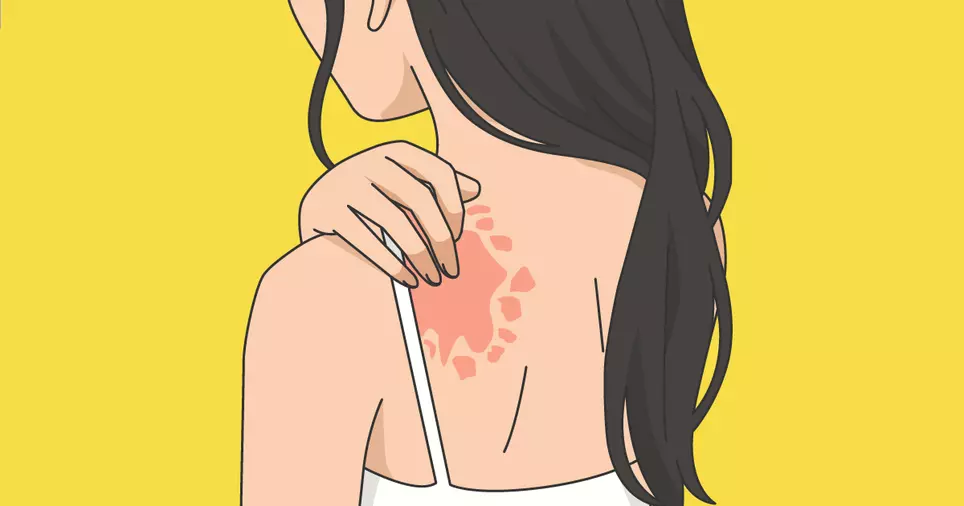
What triggers cutaneous lupus (skin lupus) flares? Great question — and knowing your triggers is one of the most powerful tools for managing them.
Triggers can vary from person to person, but here are the most commonly reported ones:
- Sun and UV light exposure — Even artificial lighting that emits UV rays can cause rashes Show Full Answer
What triggers cutaneous lupus (skin lupus) flares? Great question — and knowing your triggers is one of the most powerful tools for managing them.
Triggers can vary from person to person, but here are the most commonly reported ones:
- Sun and UV light exposure — Even artificial lighting that emits UV rays can cause rashes, flushing, or sunburn-like reactions. About half of people with lupus are sensitive to light.
- Stress — Both emotional and physical stress are among the most common flare triggers. As one MyLupusTeam member put it, "I know stress causes flare-ups, but then I stress about not stressing." (The irony is real! 😅)
- Hormonal changes — Menstruation, pregnancy, and menopause can all trigger flares.
- Weather changes — Temperature shifts and seasonal changes can set off symptoms.
- Infections — Even a common cold can trigger a flare.
- Certain medications — Some medications can increase photosensitivity, so always ask your doctor or pharmacist about this when starting something new.
- Environmental irritants — Soaps, detergents, cigarette smoke, or allergens may also play a role.
Keeping a symptom journal — noting what you ate, where you were, and what you did before a flare — can help you and your doctor identify your personal triggers over time.
July 2







 Join



 Your Privacy Choices
