Are you experiencing toe or foot symptoms with lupus? You're definitely not alone — foot problems are very common with lupus and can really impact daily life.
One MyLupusTeam member shared, "I'm unable to take long walks. My feet hurt 24/7." Another said, "My feet feel like I'm walking on glass whenever I walk."
Studies show Show Full Answer
Are you experiencing toe or foot symptoms with lupus? You're definitely not alone — foot problems are very common with lupus and can really impact daily life.
One MyLupusTeam member shared, "I'm unable to take long walks. My feet hurt 24/7." Another said, "My feet feel like I'm walking on glass whenever I walk."
Studies show that 77% of people with lupus experience foot pain at some point, with the heel and ankle being most commonly affected. Symptoms can include:
- Pain and swelling
- Coldness or numbness
- Discoloration
- Skin rashes or sores
- Circulation problems Some common lupus-related causes of foot and toe symptoms include:
- Arthritis — About 95% of people with lupus develop joint pain or arthritis, which commonly affects the small joints in the feet and toes
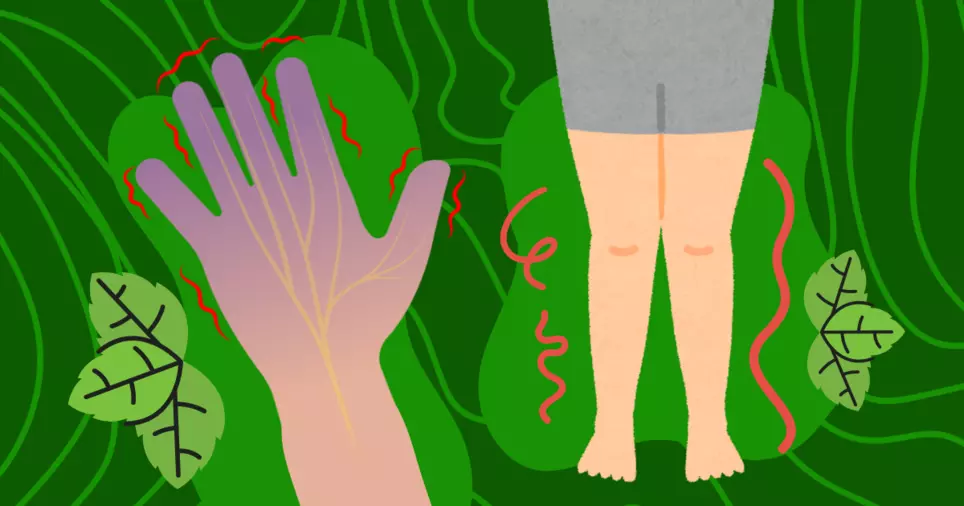
- Raynaud's phenomenon — A condition linked to lupus where blood vessels narrow in response to cold or stress, causing coldness, numbness, and color changes in the fingers and toes
- Chilblain lupus — A rare form of lupus affecting the skin, causing painful sores on the feet and toes, often triggered or worsened by cold, wet conditions Managing these symptoms often depends on the cause, but some general tips include:
- Keeping feet warm with good socks and footwear
- Avoiding sudden temperature changes
- Using compression socks for swelling
- Staying on top of nail and foot care
It's really important to talk to a doctor if foot pain, swelling, sores, or circulation issues are affecting daily life. They may also refer to a podiatrist (a foot specialist) for more targeted care.
July 11







 Join




 Your Privacy Choices
