First off, your dedication to clean eating and taking care of your body is truly inspiring — and you're absolutely right that it can make a real difference in how you feel day to day, even if it's not a cure.
Now, onto infrared light therapy! It's a great question, especially with everything your body has been through.
Show Full Answer
First off, your dedication to clean eating and taking care of your body is truly inspiring — and you're absolutely right that it can make a real difference in how you feel day to day, even if it's not a cure.
Now, onto infrared light therapy! It's a great question, especially with everything your body has been through.
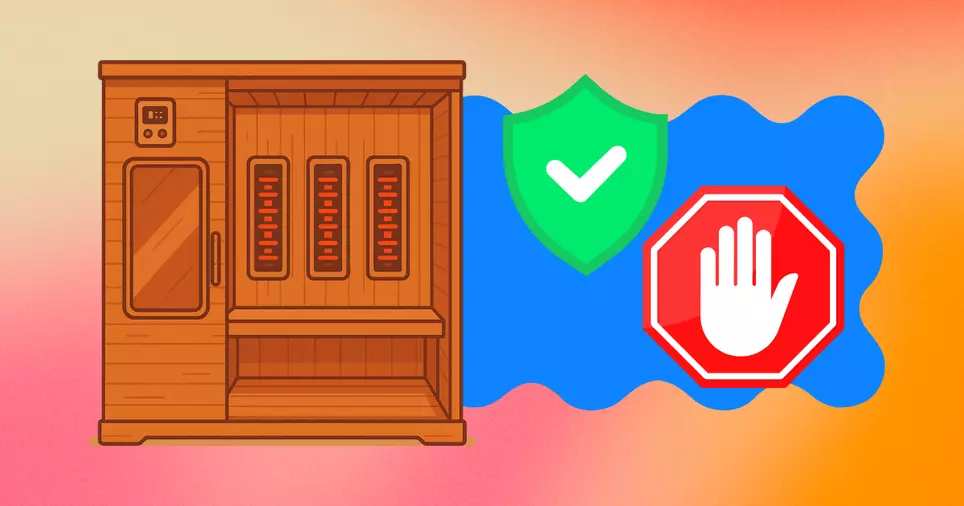
Infrared saunas run much cooler than traditional saunas (around 110–135°F), which can make them more comfortable for people with lupus who are heat or skin sensitive. Some potential benefits include:
- Relief from joint pain and muscle soreness
- Reduced inflammation
- Better circulation
- Improved relaxation and sleep Several MyLupusTeam members have shared positive experiences. One member said the swelling in their hand went down and they could feel improved circulation for hours after a session. Another said they felt great and believed it was helping overall.
However, experiences vary widely. One member developed a red, itchy, scaly rash on their back after use. Another found that going from sauna warmth to cold temperatures later triggered extreme pain. Some important cautions to keep in mind:
- There are no official recommendations for or against infrared saunas specifically for lupus
- Side effects can include dizziness, low blood pressure, and skin burns
- Sessions should generally stay under 30 minutes, starting even shorter to see how your body reacts
- Always stay well hydrated before and after
- Ask your rheumatologist about medical-grade far-infrared sauna facilities specifically
Given your upcoming knee replacement surgery in August, it's especially important to check with your surgical and rheumatology team before trying this.
August 3






 Join



 Your Privacy Choices
