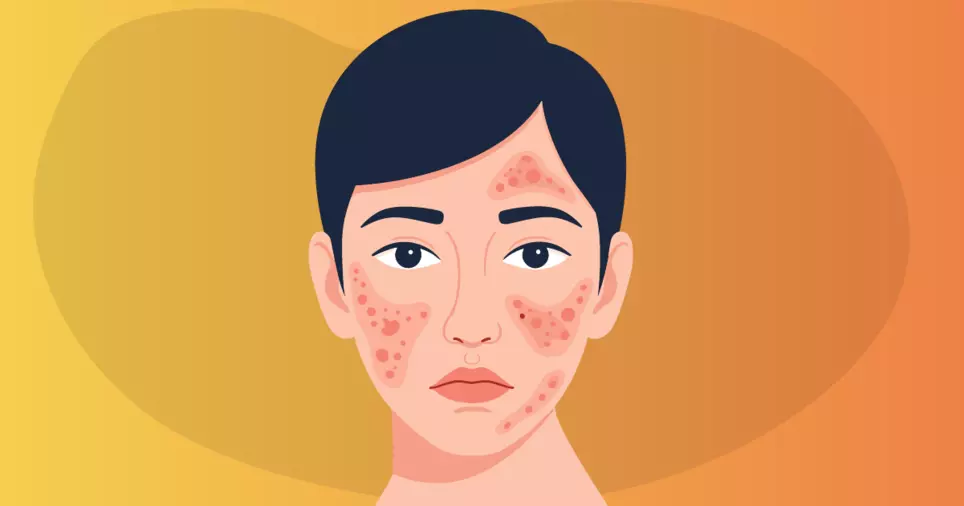
Lupus rashes are incredibly common — about 3 out of 4 people newly diagnosed with lupus experience skin symptoms. They can look and feel very different from person to person, and can come and go over time.
Here are the main types of lupus rashes:
- Malar (butterfly) rash — A rash that spreads across the cheeks and bridge of Show Full Answer
Lupus rashes are incredibly common — about 3 out of 4 people newly diagnosed with lupus experience skin symptoms. They can look and feel very different from person to person, and can come and go over time.
Here are the main types of lupus rashes:
- Malar (butterfly) rash — A rash that spreads across the cheeks and bridge of the nose. It can look red on lighter skin, or dark purple/brown on darker skin. About 30% of people with lupus develop this.
- Discoid rash — Round, raised, scaly patches that often appear on the face and scalp. These can cause scarring, hair loss, and skin discoloration.
- Subacute cutaneous rash — Scaly patches with a distinctive edge, usually on the chest, back, and arms. They typically don't scar but may leave discolored skin.
- Acute cutaneous rash — Discolored patches that appear and fade relatively quickly, affecting a small or large area of the body. Some common triggers for lupus rashes include:
- Lupus flare-ups
- UV light exposure (sunlight or indoor fluorescent lighting)
- Certain medications
- Smoking
About 2 out of 3 people with lupus are sensitive to light, which can trigger or worsen rashes. As one MyLupusTeam member shared, "Every time I get a little Florida sunshine, I have red flushing on my face, and my nose gets red-hot, literally." To help protect your skin, it's worth:
- Applying a high-SPF sunscreen daily
- Wearing sun-protective clothing
- Limiting exposure to UV light sources
If a new rash appears, it's a good idea to check in with a rheumatologist or ask for a referral to a dermatologist — ideally one familiar with lupus skin symptoms. They may recommend a skin biopsy or blood tests to confirm the cause and find the right treatment.
August 17





 Join








 Your Privacy Choices
