That's a really important observation, and it makes a lot of sense to connect those dots. A positive dsDNA antibody result is actually considered one of the more specific markers for lupus, so it's absolutely worth having a thorough conversation with your doctor about what's going on.
The widespread tingling you're Show Full Answer
That's a really important observation, and it makes a lot of sense to connect those dots. A positive dsDNA antibody result is actually considered one of the more specific markers for lupus, so it's absolutely worth having a thorough conversation with your doctor about what's going on.
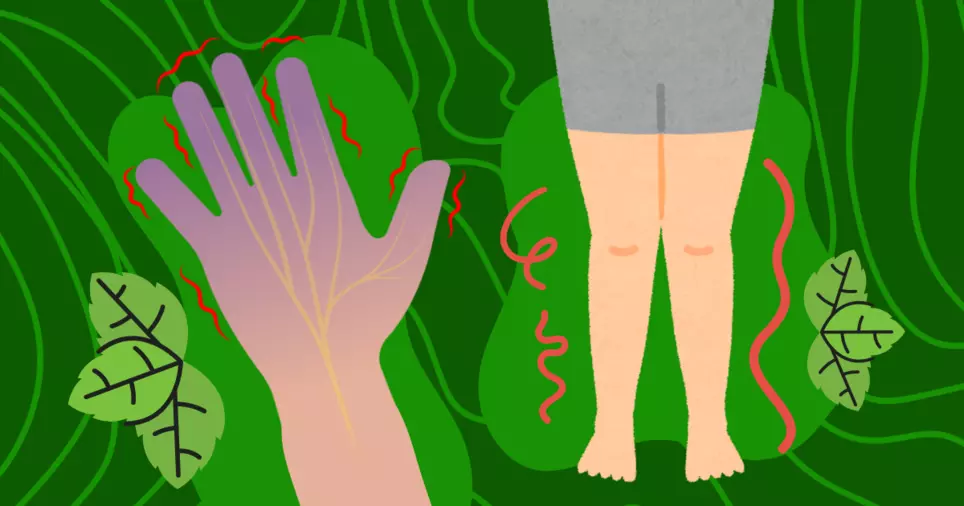
The widespread tingling you're describing — moving around to different parts of the body — is something many people with lupus experience. It's called paresthesia, which is just a fancy word for abnormal skin sensations. Lupus can cause inflammation around the nerves, which leads to feelings like tingling, crawling, numbness, or burning. The fact that it moves around — arms, legs, neck, head, face — is consistent with how lupus-related nerve involvement can show up. It doesn't follow one neat pattern, which can make it tricky to pin down.
Here are some lupus-related reasons tingling can occur:
- Nerve inflammation — Lupus can inflame the tissue surrounding nerves throughout the body
- Raynaud's phenomenon — A lupus comorbidity that affects blood flow, especially to the extremities
- Avascular necrosis — Reduced blood flow to bone tissue, sometimes linked to long-term corticosteroid use, can cause tingling especially in the fingers
- Hypothyroidism — A comorbidity that occurs in 15–19% of people with lupus, which can cause fluid retention and nerve pressure leading to tingling Given your history and your recent lab results, it would be really worthwhile to track when and where the tingling happens and bring that log to your doctor. The more detail you can provide, the easier it is for them to build a clear picture.
This is definitely a conversation worth having sooner rather than later — early treatment can make a real difference in managing symptoms and protecting your body long-term.
October 1




 Continue with Facebook
Continue with Email

 Join





 Your Privacy Choices
