
Powered By



If your child seems to be constantly feeling unwell, it may be time to ask their pediatrician whether lupus could be the cause. Common lupus symptoms such as fever, fatigue, and joint pains can look a lot like viral infections. Because lupus flare-ups can come and go, it might seem like your child just keeps catching a new bug.
Lupus (short for systemic lupus erythematosus, or SLE) is an autoimmune disease, meaning the immune system attacks the body’s healthy tissue the way it would fight an invading virus. This mistaken response can cause a wide range of symptoms, some mild and others more serious.
Lupus has no cure, but symptoms can be managed with medication and healthy lifestyle changes. Getting an accurate and timely diagnosis is the first step. This article explains five of the most common lupus symptoms and shares important facts to help you understand this disease.
Lupus is rare in children. Studies from around the world estimate that 3 to 9 in 100,000 children will develop lupus. In the United States, children under age 18 make up about 15 percent of all people living with lupus.
Although pediatric lupus can appear at any age, it most often begins around ages 12 to 15. In the U.S., lupus tends to show up earlier and more often in African American and Hispanic-Latino children compared with white children.
The exact cause of lupus is unknown, but researchers believe genetics play a role. Around 50 percent of people with lupus also have a parent or sibling with the condition. Researchers are also considering whether hormones, especially estrogen, have a part — lupus mostly affects young women, according to Children’s Hospital of Philadelphia.
Lupus can cause many types of symptoms, and no two people experience the condition exactly the same way. However, if your child develops any of the following five types of symptoms, it’s a good idea to ask their doctor if lupus could be involved.
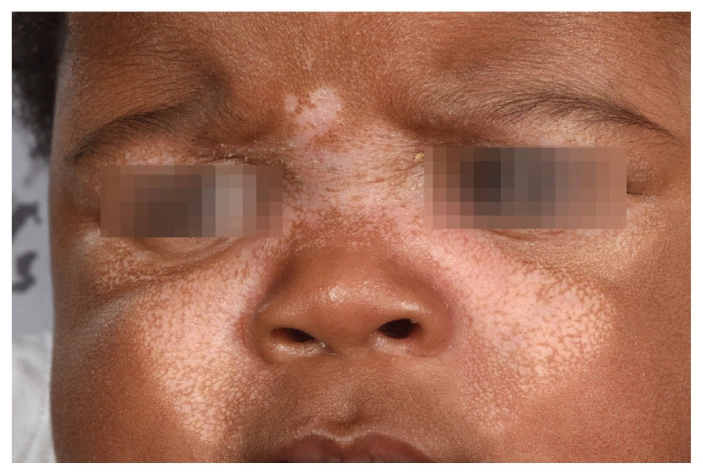
One of the most recognizable signs of lupus is a rash that spreads across both cheeks in the shape of a butterfly. This “butterfly rash” — also called a malar rash — is a key symptom doctors look for when diagnosing lupus.
Lupus can also cause other types of rashes, including:
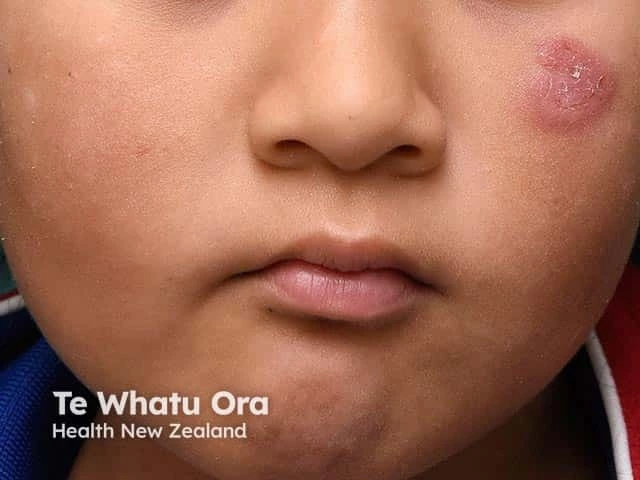
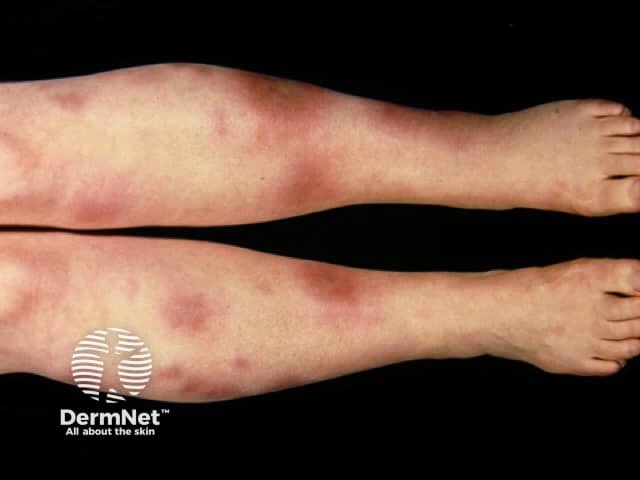
Lupus can also cause a range of other skin issues, including:
Spending time in the sun can trigger lupus symptoms. About 60 percent to 80 percent of children with lupus experience worse skin rashes after sun exposure. Even indoor lighting, like fluorescent bulbs, can sometimes cause flare-ups.
Lupus causes inflammation, which can lead to pain throughout the body and may even affect internal organs. Compared to adults, children with lupus are more likely to experience organ damage. Sometimes, the location of your child’s pain can provide a clue about which organ may be affected:
Lupus can also cause painful, stiff, and swollen joints and muscle pain.
Lupus nephritis (inflammation in the kidneys) affects up to 80 percent of children with lupus, especially teens, and about 50 percent of adults. Common symptoms, which can come on quickly and may be severe, include:
Lupus nephritis may also occur alongside a flare-up of other lupus symptoms, such as joint pain and the butterfly rash.
Lupus can affect the brain, spinal cord, and nerves — together called the nervous system. Research suggests that children with lupus may be more likely than adults to develop serious or lasting brain-related symptoms, especially in the first couple of years after diagnosis. Some common neurological symptoms of lupus in children include:
Lupus can also cause general symptoms that affect your child’s overall energy and well-being. These may include:
Lupus can be hard to diagnose because it shares symptoms with many other health conditions, including:
Getting an accurate diagnosis is essential. Children with lupus need regular checkups to monitor for organ damage and to start treatments that can help manage symptoms and prevent complications. Your child’s primary healthcare provider or your insurance provider may be able to help you find a pediatric rheumatologist — a doctor who specializes in diagnosing and treating autoimmune conditions like lupus in children and teens.
At the first visit, the pediatric rheumatologist will ask about your child’s health history and any ongoing symptoms. They’ll also order lab tests, such as blood tests to look for signs of an overactive immune system and urine tests to look for signs of kidney problems. They may also order imaging, like an X-ray, or request a biopsy (a small sample of tissue) from an organ to look for inflammation or organ damage.
Lupus can be challenging to diagnose, but early detection can lead to the right treatment and help protect your child’s health.
On MyLupusTeam, the social network for people with lupus and their loved ones, members come together to ask questions, give advice, and share their stories with others who understand life with lupus.
Which lupus symptoms affect your child the most? Did you have any difficulty getting an accurate diagnosis? Share your experience in the comments below, or start a conversation by posting on your Activities page.
Get updates directly to your inbox.




 Continue with Facebook
Continue with Email
Continue with Facebook
Continue with Email
Continue with Facebook
Continue with Email
Continue with Facebook
Continue with Email
Become a member to get even more





 Join
Join




 Your Privacy Choices

This is a member-feature!
Sign up for free to view article comments.
I think my oldest daughter may have some of the same symptoms I did at her age
We'd love to hear from you! Please share your name and email to post and read comments.
You'll also get the latest articles directly to your inbox.