


Connect with others who understand.

  • Learn from expert-reviewed resources
  • Real advice from people who’ve been there
  • People who understand what you’re going through
Sign Up Log In
Powered By

8 Ways To Protect Your Skin From Lupus Sun Sensitivity

Written by MyLupusTeam
Posted on August 20, 2026
 · 
Be the first to react

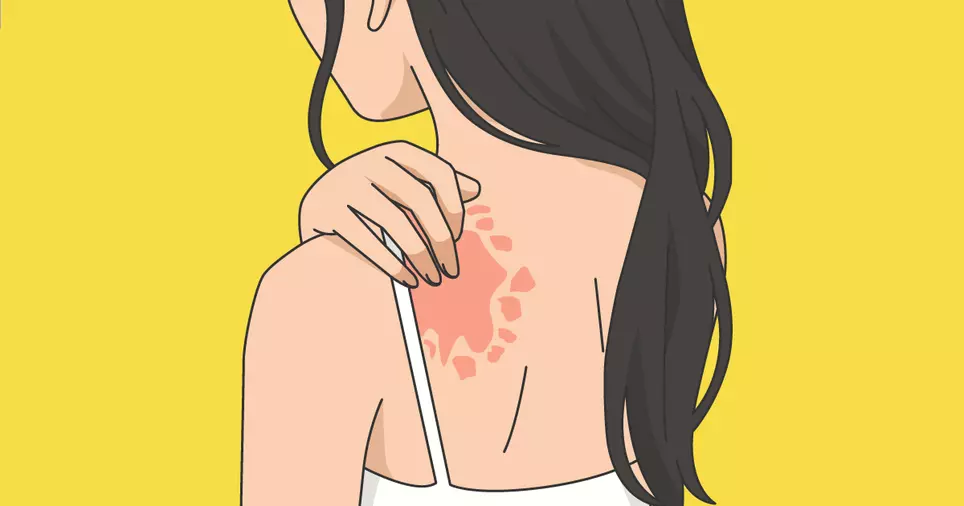
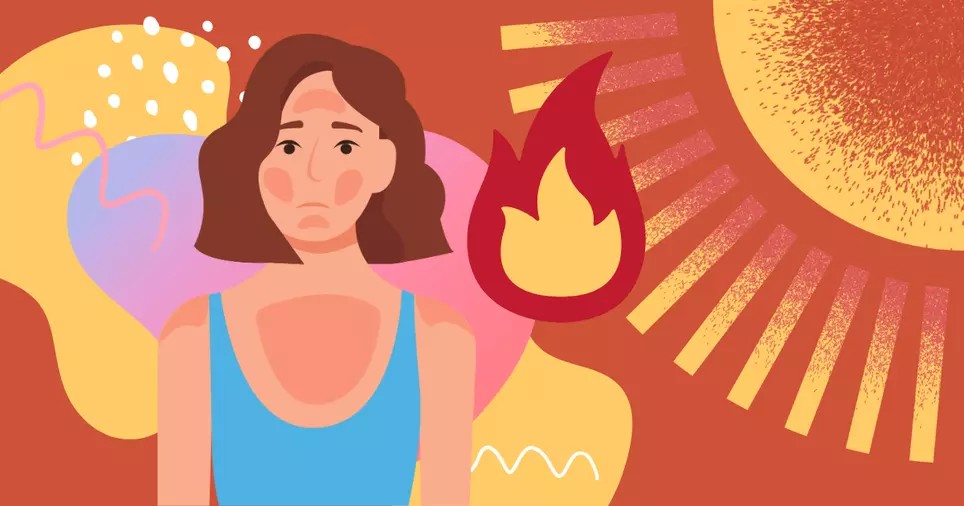
As many as 70 percent of people with lupus say their symptoms worsen after exposure to UV rays from sunlight or indoor lighting. This photosensitivity can trigger rashes, flares, and other symptoms well beyond a typical sunburn. Here’s what may help protect your skin.

Tip #1

Wear Broad-Spectrum Sunscreen Every Day

Wear sunscreen every day, even if you don’t have plans to go outside. Choose a broad-spectrum formula — the Lupus Foundation of America… Read more

Wear sunscreen every day, even if you don’t have plans to go outside. Choose a broad-spectrum formula — the Lupus Foundation of America recommends SPF 70 or higher, though SPF 30 or higher is the general minimum most sources agree on. Cover all exposed skin.

Reapply sunscreen about every two hours when you are outdoors, and after swimming or sweating. You may also need to reapply it indoors if you sit near sunny windows or UV-emitting lights, or if the sunscreen rubs or washes off.

Tell us more!
All updates must be accompanied by text or a picture.
Tip #2

Choose Tightly Woven, UV-Protective Clothing

Choose tightly woven clothing over loose weaves. Covering as much skin as possible can reduce how much you need to rely on sunscreen alone.

Tell us more!
All updates must be accompanied by text or a picture.
Tip #3

Wear a Wide-Brimmed Hat and Wraparound Sunglasses

Look for large sunglasses with wrap-around frames that block 100 percent of both UVA and UVB rays. Pair them with a wide-brimmed hat or one with… Read more

Look for large sunglasses with wrap-around frames that block 100 percent of both UVA and UVB rays. Pair them with a wide-brimmed hat or one with neck protection. These cover areas sunscreen often misses, including the face, where sun exposure can trigger a butterfly-shaped rash across the cheeks and nose.

Tell us more!
All updates must be accompanied by text or a picture.
Tip #4

Protect Yourself From UV Indoors, Too

UV exposure isn’t just an outdoor problem. Fluorescent lighting can trigger symptoms in some people with highly sun-sensitive lupus. Standard… Read more

UV exposure isn’t just an outdoor problem. Fluorescent lighting can trigger symptoms in some people with highly sun-sensitive lupus. Standard household LED bulbs usually give off little or no measurable UV, so they may be a better choice.

You can also cover fluorescent or halogen bulbs with light shields or UV filters. Using low-irradiance (low light intensity) light bulbs can help cut down on everyday exposure at home or at work.

Tell us more!
All updates must be accompanied by text or a picture.
Tip #5

Time Outdoor Activities Around Peak UV Hours

UV rays are more intense from 10 a.m. to 4 p.m., so scheduling outdoor plans earlier in the morning or later in the afternoon can limit how much… Read more

UV rays are more intense from 10 a.m. to 4 p.m., so scheduling outdoor plans earlier in the morning or later in the afternoon can limit how much direct sun you're exposed to.

Tell us more!
All updates must be accompanied by text or a picture.
Tip #6

Don't Forget Sun Protection in the Car

At home or in your car, use UV-blocking shades to cover the windows. Car windows offer some UV protection on their own, but added UV protection… Read more

At home or in your car, use UV-blocking shades to cover the windows. Car windows offer some UV protection on their own, but added UV protection may help.

Tell us more!
All updates must be accompanied by text or a picture.
Tip #7

Ask Your Doctor About Medications That Affect Photosensitivity

Some medications, including retinoids, ibuprofen, and certain antibiotics, can worsen photosensitivity. On the other hand, some lupus medicines… Read more

Some medications, including retinoids, ibuprofen, and certain antibiotics, can worsen photosensitivity. On the other hand, some lupus medicines, such as hydroxychloroquine (Plaquenil), may help reduce UV-triggered skin symptoms and flares. However, they don’t block UV rays and should not replace sunscreen, protective clothing, sunglasses, or shade.

Ask your rheumatologist how your specific medications may affect your sun sensitivity.

Tell us more!
All updates must be accompanied by text or a picture.
Tip #8

Skip UV Nail Lamps

Avoid UV drying lamps when getting your nails done. Opt for polishes that don’t require them, or wear anti-UV gloves with sunscreen. The same… Read more

Avoid UV drying lamps when getting your nails done. Opt for polishes that don’t require them, or wear anti-UV gloves with sunscreen. The same caution applies to tanning beds, another artificial UV source worth avoiding.

Tell us more!
All updates must be accompanied by text or a picture.
Now it's your turn

What Has Helped Your Sun Sensitivity?

What did we miss? We'd love to hear what's helped you protect your skin from lupus-related sun sensitivity. Share your best tips below.

All updates must be accompanied by text or a picture.

We'd love to hear from you! Please share your name and email to post and read comments.

You'll also get the latest articles directly to your inbox.

Subscriber Photo Subscriber Photo Subscriber Photo
362,688 members
This site is protected by reCAPTCHA and the Google Privacy Policy and Terms of Service.
Privacy Policy Terms of Use
Continue with Facebook
Continue with Google
By joining, you accept our Terms of Use, and acknowledge our collection, sharing, and use of your data in accordance with our Health Data and Privacy policies.
Already a member? Log In

Thank you for subscribing!

Become a member to get even more

See answer