
Powered By


I moved 6 years ago to a city in a valley, that is known for bad seasonal allergies. I tried doing immunotherapy to help with my extreme allergy to tree and grass pollen, but I had too many reactions and had to stop treatment. I feel not well through most of the season and I am not sure what to attribute it to. Maybe it's the allergens themselves, the medicine I'm taking to treat them, the increased sun exposure around that time of year, or even just the poor air quality living in the valley… read more
What kind of reactions are you having to the pollens?
Actually I experienced Mast Cell issues due to chronic Lyme, mold,... before my first lupus flare. Of course lupus could’ve been around for a long time and I didn’t show signs... Mast cells are important for good health and an underlying issue in all disease. Check out my page and you should find some things I’ve already written. Let me know if you’d like to know more. You can always check out mastattack.org
I’ve learned a lot from her and google scholar.
🤗~Eileen🌻🐢
Thanks @A MyLupusTeam Member
I will, thank you!!
Actually, everyone who is ill has mast cell issues. Mast cells are highly involved in flares. But without mast cells we would have no healing of anything. At least I see that my diet has been effective. I was not on mast cell inhibitors so I understand better the fuel that drives some of the reactions. I wonder if a mast cell inhibitor like Ketotifen or PEA (palmitoyethylalamide? I think)
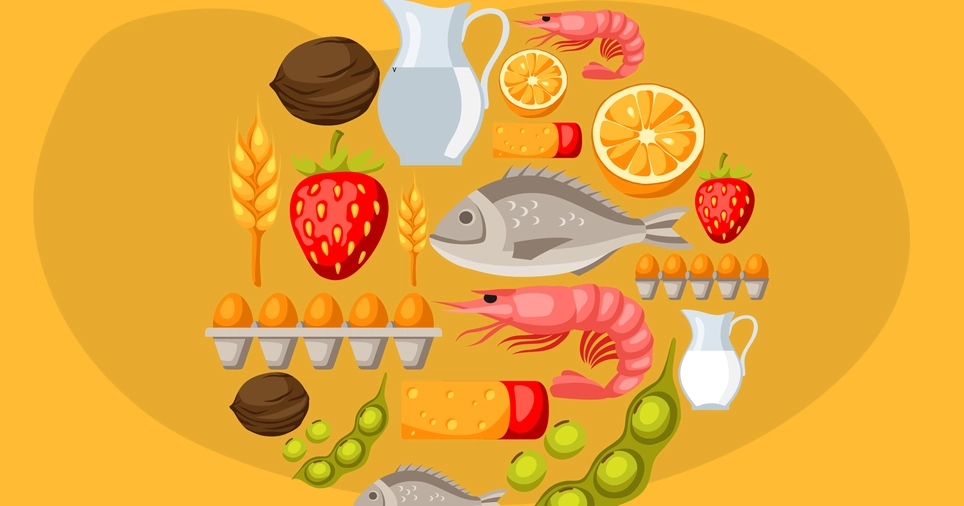
Actually an easier thing right now would be to avoid foods that are high in histamine. The list can be very long but you may not be reactive to all of them. Eating lower histamine will put less histamine in the mast cells. There are lots of other things in there too. Spinach, strawberries And avoid caffeine chocolate and citrus-they help release histamine which is responsible for the symptoms of a fever. You can read more on mastattack.org
She has a really good food list. I wouldn’t go off of all of it but especially in your hayfever season I would try to illuminate the top offenders, then maybe illuminate one food at a time like tree nuts or eggs because we can be sensitive to them without having a true allergy.
@A MyLupusTeam Member
Sorry I missed the date and your concern about anxiety. Try the search box for that to see what has helped others. He sure and let us know if you don’t find anything helpful.
~Eileen🌻🐢
If you only get this anxiety during the allergy season I would hypothesize it’s all tied in.
Thanks for your response. I have typical allergy symptoms, such as sneezing, itchy eyes, etc. However, what's most concerning is this anxious/nausea/unwell feeling I get in the mornings before my medications have really set in. Before my diagnosis with Lupus 11 years ago I never experienced that with my seasonal allergies. It just has me wondering why and what I need to do differently during allergy season, as it seems somehow related to my Lupus. I am not taking h1 or h2 blockers, but the medication I do take eventually works, but after a fairly miserable morning.
I'm sorry to hear about your mast cell issues! I honestly know very little about that and will certainly check out the site you recommended.

 Join





 Your Privacy Choices
