Having to stop hydroxychloroquine due to eye concerns is not uncommon. The medication can potentially affect the retina, particularly in people who take it for more than five years, take doses higher than 400mg daily, or have certain risk factors like being over 60 or having existing retinal issues. This is why regular eye Show Full Answer
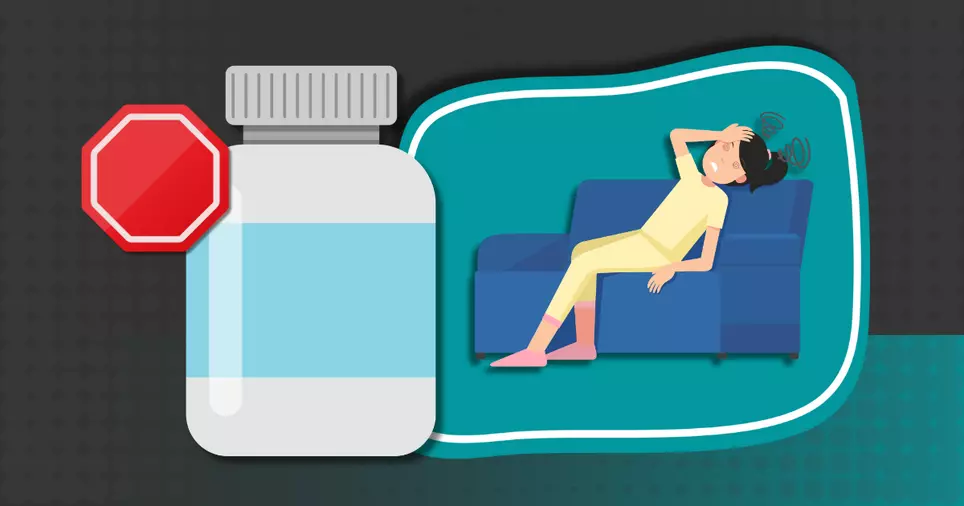
Having to stop hydroxychloroquine due to eye concerns is not uncommon. The medication can potentially affect the retina, particularly in people who take it for more than five years, take doses higher than 400mg daily, or have certain risk factors like being over 60 or having existing retinal issues. This is why regular eye exams are crucial while on this medication. When stopping hydroxychloroquine, it's important to do so under medical supervision rather than suddenly stopping. Many people experience increased lupus symptoms or flares when discontinuing the medication. Common experiences include joint pain, body aches, fatigue, and potential flare-ups of other lupus symptoms.
Your doctor may help create a plan to slowly reduce the dose and potentially transition to alternative medications to help manage your lupus symptoms. This approach gives your body time to adjust and helps prevent severe symptom flares.
May 25, 2025








 Join





 Your Privacy Choices
