Those dsDNA numbers are trending in a really encouraging direction — that's genuinely great news! However, a single lab value alone isn't enough to declare remission. Remission is typically defined by a combination of factors assessed over time.
For lupus nephritis specifically, remission generally means all of the following Show Full Answer
Those dsDNA numbers are trending in a really encouraging direction — that's genuinely great news! However, a single lab value alone isn't enough to declare remission. Remission is typically defined by a combination of factors assessed over time.
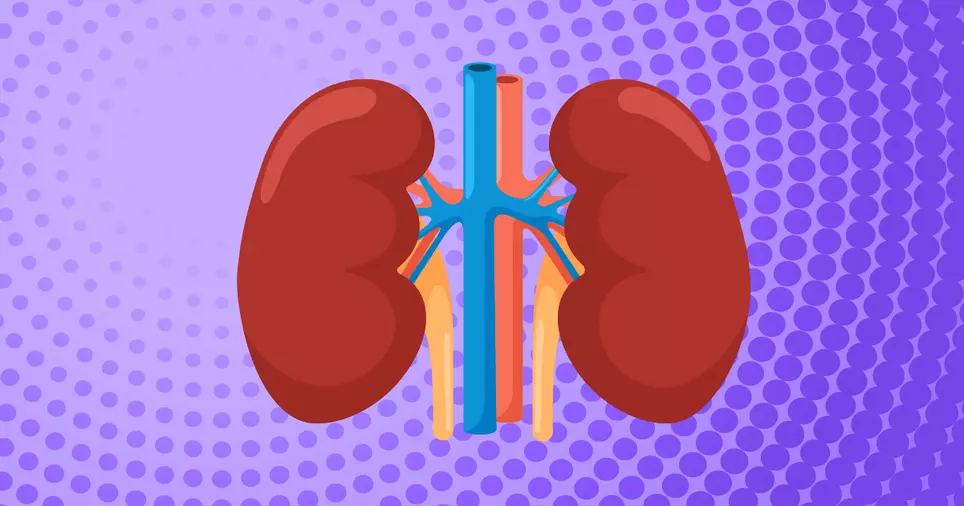
For lupus nephritis specifically, remission generally means all of the following for at least one year:
- Kidneys functioning well (eGFR above 60)
- Little or no protein in the urine
- No signs of active lupus symptoms More broadly, remission in lupus means having minimal or no disease activity — not just improved lab work, but also no significant symptoms and stable organ function across the board.
Your declining dsDNA levels are a positive sign that disease activity may be decreasing, but your rheumatologist will look at the full picture, including:
- All relevant lab results together
- Blood pressure
- Urine protein levels
- How you're feeling symptom-wise
It's absolutely worth bringing this up at your next appointment and asking directly: *"Based on my recent results, am I moving toward remission?"* Your doctor can give you the most personalized answer.
September 2





 Join







 Your Privacy Choices
