Yes, both shortness of breath (SOB) and difficulty swallowing (dysphagia) can absolutely be part of living with lupus. You're definitely not alone in experiencing these — many MyLupusTeam members have shared similar struggles.
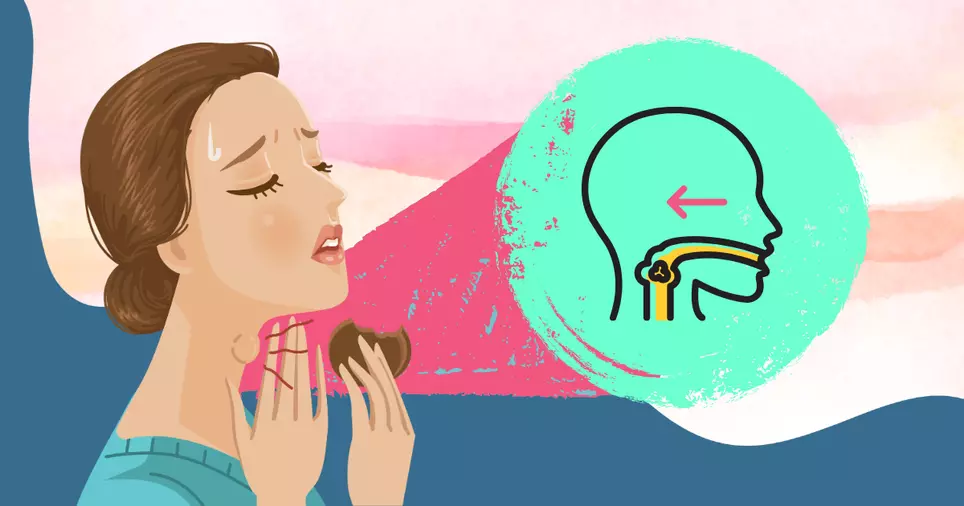
Difficulty swallowing affects up to 13% of people with lupus and can feel like:
- Food or liquid Show Full Answer
Yes, both shortness of breath (SOB) and difficulty swallowing (dysphagia) can absolutely be part of living with lupus. You're definitely not alone in experiencing these — many MyLupusTeam members have shared similar struggles.
Difficulty swallowing affects up to 13% of people with lupus and can feel like:
- Food or liquid getting stuck in the throat or chest
- Pain when swallowing
- Coughing or gagging while eating
- A constant lump in the throat
- Hoarseness Lupus can cause inflammation in the esophagus (the tube connecting your mouth to your stomach), which disrupts the normal muscle movements needed to push food down. Inflammation of blood vessels around the nerves in the digestive tract can also play a role.
There are several ways to help manage swallowing difficulties:
- Treat acid reflux — avoiding trigger foods, eating smaller meals, and staying upright after eating
- Adjust medications — some lupus medications like NSAIDs can worsen symptoms, so talk to your doctor
- Swallowing exercises — a speech-language pathologist can guide you through targeted exercises
- Dietary changes — cutting food into smaller pieces, eating slowly, or softening foods
- Posture adjustments — tilting your head a certain way can make swallowing safer
- Managing lupus itself — controlling overall inflammation is key As for shortness of breath, lupus-related inflammation can affect multiple systems in the body, including those involved in breathing. Swollen lymph nodes in the neck, anxiety (experienced by about 37% of people with lupus), and vasculitis can all contribute to feelings of breathlessness or throat tightness.
It's really important to bring both of these symptoms up with your healthcare team so they can identify the specific cause and adjust your treatment plan accordingly.
September 21







 Join






 Your Privacy Choices
