
Powered By



Lupus — most often referring to systemic lupus erythematosus (SLE) — is an autoimmune disease that mainly affects women. About 9 out of 10 people living with lupus are women, according to the Lupus Foundation of America. This condition happens when the immune system mistakenly attacks the body’s own healthy tissues.
Lupus can show up very differently from person to person, which makes it hard to recognize, especially early on. Some people experience severe symptoms that affect their daily lives, while others may have no visible signs.
Because symptoms vary so much, lupus can be difficult to diagnose. On average, it takes about six years from the first symptom to get a diagnosis of lupus. Many people see multiple doctors and may get misdiagnosed before finally learning they have lupus. Knowing the early signs of lupus can help you get the right care and support sooner.
Lupus is an autoimmune disease, which means the immune system mistakenly attacks healthy tissues. Lupus can affect many organs — such as the skin, joints, kidneys, or brain — so the symptoms can look very different from one person to the next. Because lupus often mimics other conditions (like rheumatoid arthritis, rosacea, or fibromyalgia), it’s sometimes called “the great imitator.”
According to the Hospital for Special Surgery (HSS), lupus signs and symptoms are generally similar in men and women. Signs of a disease are aspects that doctors can observe or measure, such as a skin rash or laboratory test result. A symptom is something that you feel, such as pain, fatigue, or dizziness — but can’t be seen on the outside or easily measured. Together, signs and symptoms help paint a picture of what’s going on inside your body.
Lupus signs and symptoms can flare up and go away and may change over time. Tracking your signs and symptoms can help your doctor make a more accurate diagnosis. Below, we describe some of the most common early signs and symptoms of lupus so you know what to watch for.
Fatigue — extreme mental and physical tiredness that typically doesn’t improve — is one of the most common symptoms. About half of people newly diagnosed with lupus report fatigue as one of the first symptoms. Between 50 percent and 90 percent of people with lupus include fatigue among their main symptoms.
Lupus often causes inflammation (swelling and irritation) in or around the joints, leading to painful or swollen joints. About 90 percent of people with lupus have joint problems, and for up to 75 percent, joint issues are one of the first symptoms.
Joint pain from lupus commonly starts with stiffness and aching in the hands and wrists. The pain may be worse in the morning and improve as the day goes on. Joint pain can also move from one part of the body to another or come and go with lupus flares.
A fever means your body temperature is higher than 100 degrees Fahrenheit. Between 36 percent and 86 percent of people with SLE have unexplained fevers (no known cause).
Fever can be an early sign of the disease and, in rare cases, be the only symptom when someone is first diagnosed. During a lupus flare-up, fevers may come and go.
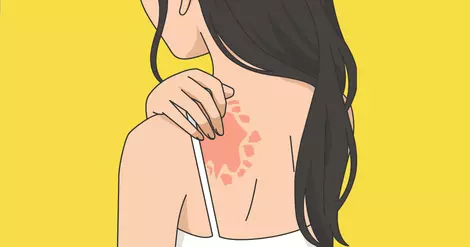
About 3 out of 4 people newly diagnosed with SLE have symptoms that affect their skin. Two of the most common types of lupus-related skin rashes are the malar rash and the discoid rash.
A malar rash is characterized by discoloration across the cheeks and the bridge of the nose. Because of its shape, a malar rash is also known as a butterfly rash. About 30 percent of people with lupus develop a malar rash, which can show up months or years before they’re diagnosed.
A discoid rash is a discolored, scaly, raised rash shaped like a disc or coin. This type of rash usually appears on the scalp or face but can show up anywhere on the body. Women with lupus are more likely than men to have a malar rash instead of a discoid rash, according to HSS.
Lupus rashes can look and feel different for each person. Some rashes are itchy or painful, whereas others cause only discolored skin. Like many lupus symptoms, rashes can come and go over time.
Other skin changes that may be related to lupus include:
Photosensitivity means being unusually sensitive to sunlight or certain types of indoor light, like fluorescent bulbs. About 2 out of 3 people with lupus have this symptom.
In lupus, photosensitivity can cause a rash on areas of skin that get sun exposure, like the face, arms, and hands. However, sunlight can also trigger or worsen other lupus symptoms, such as joint pain, fatigue, and fever.
Hair loss, another common symptom, may be caused by inflammation or rashes on the scalp. Lupus can also make hair look thinner and more fragile.
One type of hair loss linked to lupus is called alopecia areata, which causes round patches of hair loss on the scalp or other parts of the body. People with alopecia areata are five times more likely to be diagnosed with SLE. This link is more common in women, according to the journal Cureus.
Inflammation from lupus can cause sores in the mouth or nose. These sores often have a white border or white lines and usually appear on the inside of the cheeks, the roof of the mouth, or the lower lip. The sores often aren’t painful, but some people find them uncomfortable.
Raynaud’s phenomenon occurs when small blood vessels in the fingers and toes overreact to cold temperatures or stress. Blood flow to those areas temporarily slows down or stops, and the skin changes color — usually turning white, blue, or red. You might also develop numbness, tingling, or coldness in your fingers or toes.
Raynaud’s can be a first sign of an autoimmune condition like lupus. Additionally, Raynaud’s is more common in females and in people with lupus, according to Cleveland Clinic.
If you have symptoms that could be lupus or another condition, your healthcare provider may order blood tests and urine tests to help make a diagnosis. No single test can confirm a lupus diagnosis, but some abnormal test results may be early signs of lupus.
Common laboratory test results that may point to lupus include:
Because lupus affects each person differently, it can be difficult to diagnose. However, studies show that delays in getting a diagnosis can lead to serious complications, such as permanent organ damage.
Be sure to tell your doctor about any new or changing symptoms, even if they seem small. Open and ongoing conversations with your healthcare provider can help you get prompt care and treatment.
MyLupusTeam is the social network for people with lupus and their loved ones. On MyLupusTeam, members come together to ask questions, give advice, and share their stories with others who understand life with lupus.
Which early symptoms of lupus did you have? What symptoms helped you get a diagnosis? Share your experience in the comments below, or start a conversation by posting on your Activities page.
Get updates directly to your inbox.




 Continue with Facebook
Continue with Email
Continue with Facebook
Continue with Email
Continue with Facebook
Continue with Email
Continue with Facebook
Continue with Email
Become a member to get even more





 Join
Join



 Your Privacy Choices

This is a member-feature!
Sign up for free to view article comments.
Dose anyone get feeling of pins and needles in their legs and feet
We'd love to hear from you! Please share your name and email to post and read comments.
You'll also get the latest articles directly to your inbox.