
Powered By



Living with lupus often means managing symptoms no one else can see, navigating unpredictable flares, and juggling treatments that can be complicated and exhausting. On top of all that, many people with lupus also face a steady stream of “helpful” comments from others — the kind that might be well-meaning but land as dismissive, judgmental, or just plain uninformed.
 The quotes that follow are drawn from more than 850 responses from people living with lupus in a MyLupusTeam Q&A thread titled “What Bits of ‘Advice’ Do You Wish People Would Stop Telling You?” If any of these sound familiar, you’re not alone.
Here are five common types of unhelpful advice that showed up frequently in the discussion, along with why they can be harmful and ways to respond that protect your energy while keeping your care grounded in reality.
People with lupus often look “fine” on the outside, even when they’re living with crushing fatigue, pain, brain fog, or organ involvement. That disconnect can lead other people to minimize symptoms, question whether lupus is real, or assume it’s a mental health problem.
One MyLupusTeam member put it simply: “I wish people would stop acting like this is not a real disease just because I don’t look sick on the outside.”
Another said they’ve heard comments like “You don’t look sick, so it must be in your head. Have you seen a shrink?”

This kind of comment shifts the burden onto you to “prove” your illness. It can also discourage you from speaking up about symptoms, which matters because lupus can change quickly — and your care team needs accurate information.
Lupus treatment often involves long-term medications, and many people work with their rheumatologist to try different options over time. When outsiders suggest stopping meds, it can feel like they’re dismissing how serious lupus can be — or how carefully your treatment plan was chosen.
“My biggest favorite saying is ‘No wonder you are so sick, fatigued, having problems. You are taking too much medicine, and that’s what’s keeping you sick,’” one MyLupusTeam member wrote.
“I get a lot of sarcasm also,” added another member. “ ‘Quit taking all those pills and you would feel better…’ ”
Stopping lupus medications suddenly can be dangerous. Even when meds cause side effects, the safest way to handle them is with a healthcare provider who can weigh risks and benefits. Your care team might provide another combination of medications that suits you.
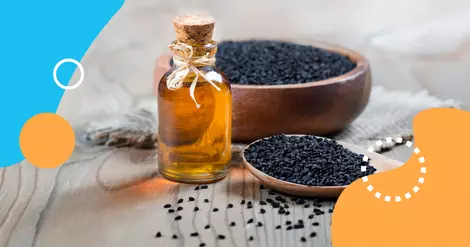
 Many MyLupusTeam members say they get pitched supplements, oils, teas, and trendy “natural” products — sometimes from friends who sell them. That can feel especially upsetting if the person hasn’t taken time to understand lupus or the risks of mixing products with prescriptions.
“I wish people would stop trying to get me to try CBD oil, and all that other stuff that goes along with it,” one MyLupusTeam member shared. “I feel like they are forcing it on me as if they know what’s best.”
Another shared that some people in their lives have an agenda when they push “natural” alternatives: “The worst is friends or relatives that sell major ‘mainstream companies’ herbal or natural remedies say, ‘You should try this. It’s changed people’s lives.’ … Just because they're ‘natural’ doesn’t mean that they don’t have side effects!”
Natural doesn’t automatically mean safe, especially for people taking immunosuppressants, which are medications that lower the immune system’s activity, or other lupus medications. Supplements can interact with prescriptions or worsen certain symptoms.
Diet suggestions are common, especially when someone wants a simple explanation for a complex disease. People with lupus often hear that they should cut out a food group, switch to “clean” eating, or follow whatever plan worked for someone else, as if lupus is a problem you can solve with the right menu.

Many MyLupusTeam members said they’ve been advised to cut gluten, a type of protein found in wheat and other grains, from their diet. “That is all I hear: ‘Go gluten-free, you will feel so much better,’” shared one member. “I want to smack those people.”
Other members have heard other types of dietary tips, too:
Some people do find that certain dietary changes help their digestion, energy, or inflammation — and it’s completely valid to notice patterns and adjust what you eat based on how you feel.
But “diet as cure” can come across as blame, as if lupus is your fault or something you could fix with enough willpower. It also oversimplifies a complex autoimmune condition, meaning the immune system mistakenly attacks healthy tissue, which often requires medical treatment and close monitoring.
Exercise can be helpful for many people, but lupus symptoms can make it hard to stick to a routine, since energy and pain levels can change from day to day. What feels good one day can trigger a setback the next. When someone turns exercise into a moral judgment, it can sting.
 One MyLupusTeam member wrote: “If one more person says, ‘If you just exercise and change your diet, you’ll feel better,’ I’m going to scream.”
Another explained why “just take a walk” can feel absurd: “I hate when people say, ‘Oh, just go for a walk, and you’ll feel better.’ Like, will I? Really? Because when I’m sore, my feet can barely hit the ground.”
Lupus symptoms can include pain, fatigue, shortness of breath, and more. Movement may need to be modified, paced, or guided by a physical therapist or doctor. The point isn’t “more exercise.” The point is “the right kind, at the right time, for your body.”
If you’re getting advice that feels dismissive or uninformed, it’s OK to set boundaries, keep your answers brief, and save your energy for the people who truly listen. Even when comments are meant to help, they can still feel hurtful, and you don’t have to explain your health to everyone.
If someone’s advice makes you question your care, write down your concerns and bring them to your healthcare team. They can help you sort through what’s useful and what isn’t.
Connecting with others who understand can also help. When you talk with people who live with lupus, you don’t have to explain the basics — you can focus on what you’re experiencing and what supports you.
On MyLupusTeam, people share their experiences with lupus, get advice, and find support from others who understand.
Have you received unhelpful advice while living with lupus? How do you respond? Let others know in the comments below.
Get updates directly to your inbox.




 Continue with Facebook
Continue with Email
Continue with Facebook
Continue with Email
Continue with Facebook
Continue with Email
Continue with Facebook
Continue with Email
Become a member to get even more





 Join
Join


 Your Privacy Choices

This is a member-feature!
Sign up for free to view article comments.
Thank you so much for your encouraging words... I was much like you.. Diagnosed in 2010 i had symptoms for several years before being diagnosed... My legs are the most affected... Since being… read more
We'd love to hear from you! Please share your name and email to post and read comments.
You'll also get the latest articles directly to your inbox.