How can you manage lupus symptoms during post-menopause, especially weight gain, hot flashes, and night sweats?
Managing lupus while dealing with menopausal symptoms can be incredibly challenging. The combination of hormonal changes and lupus-related inflammation creates a perfect storm of uncomfortable symptoms.
Hot flashes Show Full Answer
How can you manage lupus symptoms during post-menopause, especially weight gain, hot flashes, and night sweats?
Managing lupus while dealing with menopausal symptoms can be incredibly challenging. The combination of hormonal changes and lupus-related inflammation creates a perfect storm of uncomfortable symptoms.
Hot flashes and night sweats during menopause are common for people with lupus. Early menopause happens more frequently in people with lupus than in the general population, often due to medications or the condition itself. These symptoms can be especially intense because lupus can affect your autonomic nervous system, which controls sweating and body temperature.
Some treatment options that might help include:
* Discussing hormone replacement therapy (HRT) with your doctor - though it's not suitable for everyone with lupus, especially if you have active lupus, a history of blood clots, or high antiphospholipid antibodies
* Working with your rheumatologist to adjust lupus medications that might be contributing to symptoms
* Exploring non-hormonal treatments for hot flashes and night sweats
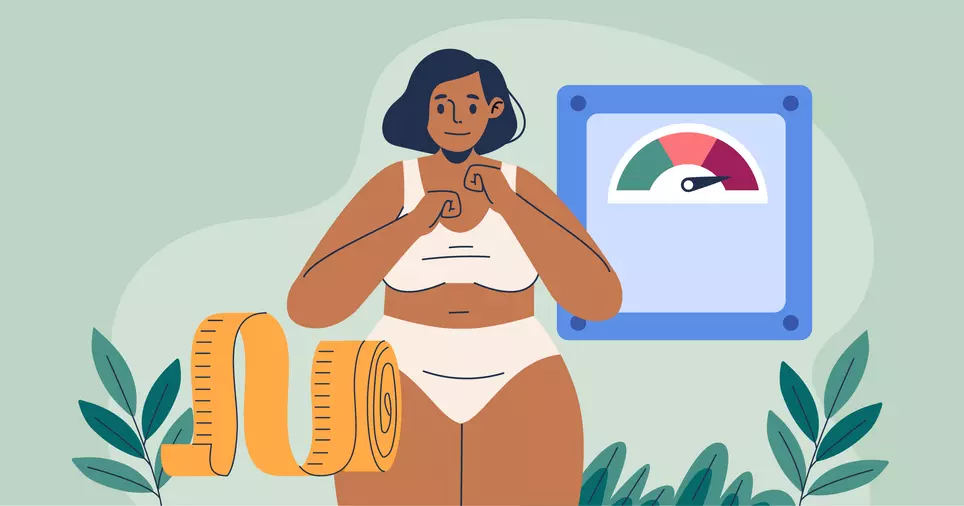
Weight gain during menopause is frustrating and can be worsened by certain lupus medications like corticosteroids. Talk with your healthcare team about strategies to manage weight while keeping your lupus under control.
A MyLupusTeam member shared their experience: "My whole body gets so hot that I feel like I want to jump out of my skin."
Your doctor can help determine which symptoms are from menopause versus lupus and create a treatment plan that addresses both.
November 6, 2025







 Join






 Your Privacy Choices
