What are the early signs and symptoms of lupus nephritis?
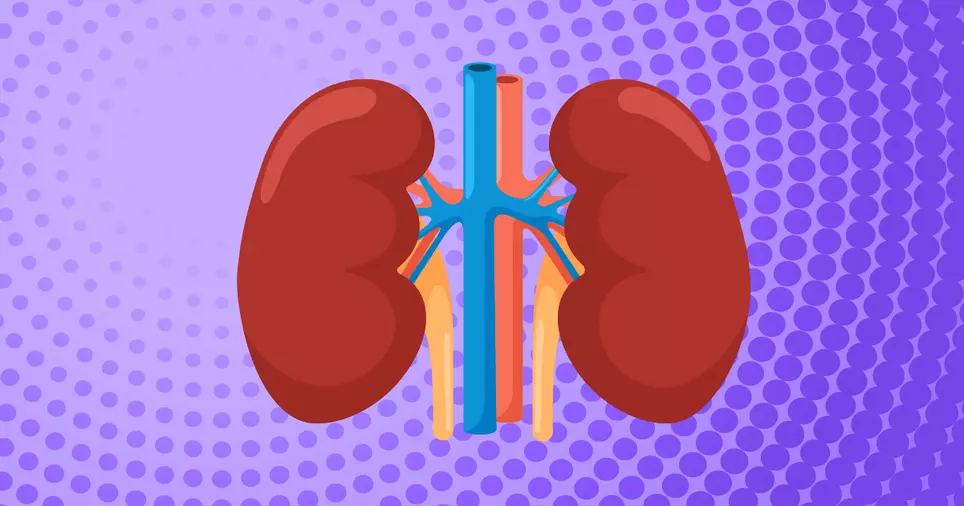
It sounds like you're going through a lot right now, and it's completely understandable to want answers. The good news is that your cardiologist is taking the right steps by checking your kidneys, especially with that elevated blood pressure.
High blood pressure is Show Full Answer
What are the early signs and symptoms of lupus nephritis?
It sounds like you're going through a lot right now, and it's completely understandable to want answers. The good news is that your cardiologist is taking the right steps by checking your kidneys, especially with that elevated blood pressure.
High blood pressure is actually one of the key early signs of lupus nephritis. When the kidneys are inflamed, they can't regulate blood pressure effectively, which can cause it to spike. A MyLupusTeam member shared: "I'm in a flare, and it always makes my blood pressure higher."
Here are the main early signs and symptoms to watch for:
* Foamy urine (caused by protein leaking into urine)
* Blood in urine (may look pink, red, or brown)
* Swelling in legs, ankles, hands, feet, or face
* High blood pressure
* Frequent urination, especially at night
* Sudden weight gain (from fluid retention)
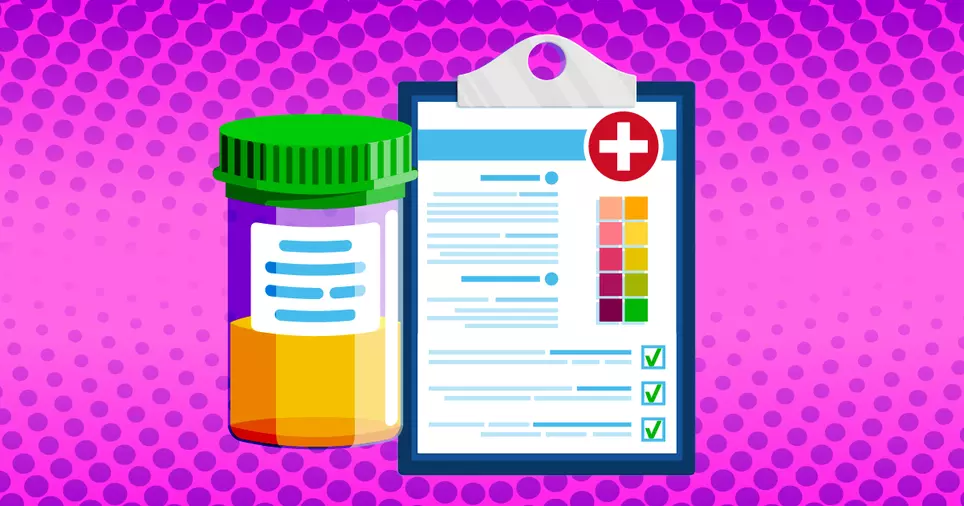
You might not notice all these symptoms at first, which is why regular monitoring is so important. Your doctors can also detect lupus nephritis through blood and urine tests. They'll look for:
* High levels of protein in urine (proteinuria)
* Blood in urine (hematuria)
* Elevated creatinine levels in blood (a waste product that healthy kidneys should filter out)
The ultrasound and blood tests your cardiologist ordered are exactly what's needed to check kidney function. If there are concerns, they may recommend a kidney biopsy for a definitive diagnosis.
The important thing is you're being proactive. Early detection and treatment can help protect kidney function and prevent progression. About 50% of adults with lupus develop lupus nephritis, often within five years of lupus symptoms starting, so staying vigilant is key.
Keep your healthcare team informed about any changes you notice, and don't hesitate to reach out if symptoms worsen.
March 15





 Join






 Your Privacy Choices
