Menopause and lupus can be quite the duo when it comes to weight changes. Lupus can cause inflammation that affects the ovaries, and some lupus medications like corticosteroids and cyclophosphamide can impact how the ovaries work — sometimes even triggering early menopause.
The hormonal shifts during menopause, combined with Show Full Answer
Menopause and lupus can be quite the duo when it comes to weight changes. Lupus can cause inflammation that affects the ovaries, and some lupus medications like corticosteroids and cyclophosphamide can impact how the ovaries work — sometimes even triggering early menopause.
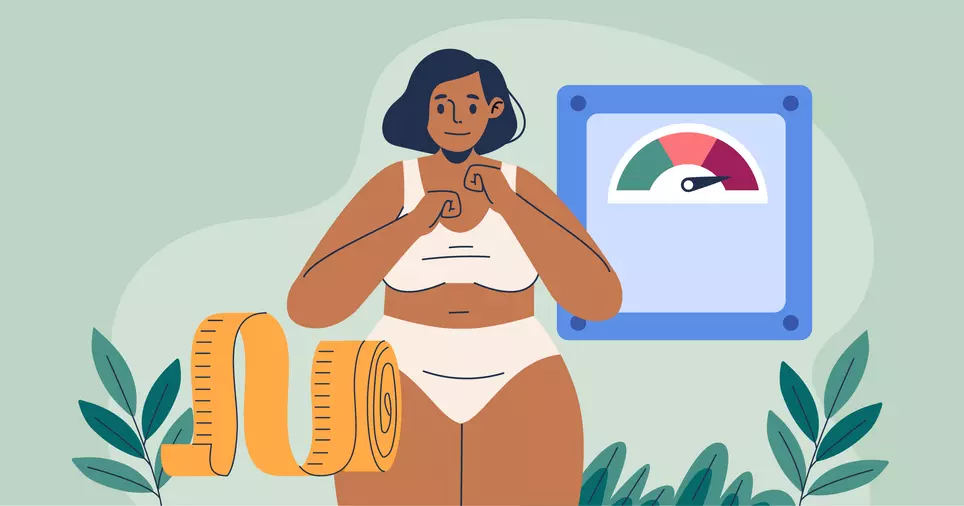
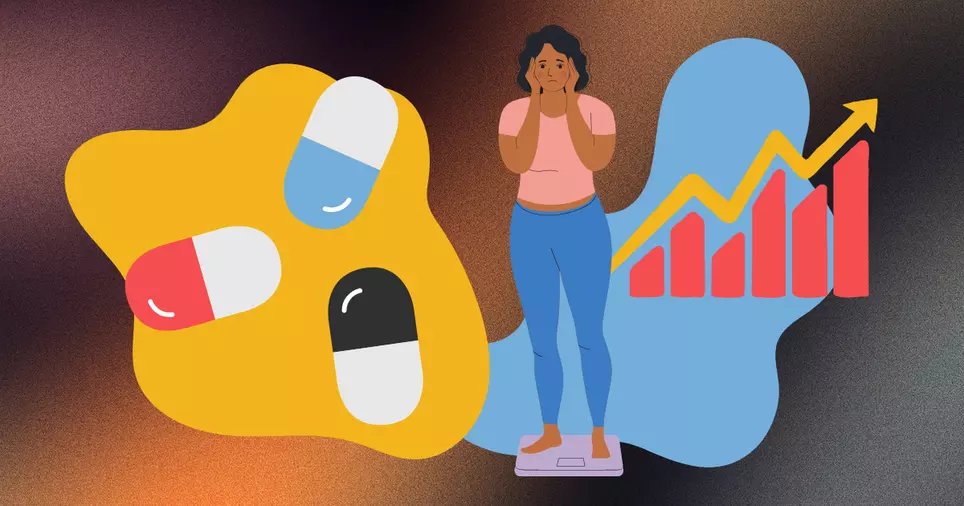
The hormonal shifts during menopause, combined with lupus itself, can make managing weight more challenging. Here are some common reasons weight gain happens at this intersection:
- Corticosteroids (like prednisone) — These can increase appetite and cause fluid retention
- Reduced physical activity — Fatigue, joint pain, and stiffness make it harder to stay active
- Fluid retention — Lupus nephritis (kidney involvement) can cause fluid buildup
- Low vitamin D — Common in lupus and linked to higher body weight
- Thyroid changes — Thyroid issues are more common in lupus and can slow metabolism
- Poor sleep and depression — Both can disrupt hunger hormones and lead to weight changes
As one MyLupusTeam member shared, "My body is changing, even today. I don't know if this is real weight gain or swelling." The good news is there are ways to manage this. Working closely with a rheumatologist to keep lupus well-controlled can reduce fatigue and inflammation, making it easier to stay active and eat well.
A nutritionist referral can also be really helpful — one MyLupusTeam member mentioned considering exactly that. Reducing sodium, gentle movement like stretching or yoga, and scheduled rest periods can all make a difference.
If weight gain is sudden or comes with swelling, foamy urine, or shortness of breath, reach out to a doctor promptly, as these can be signs that the kidneys need attention.
May 22






 Join




 Your Privacy Choices
