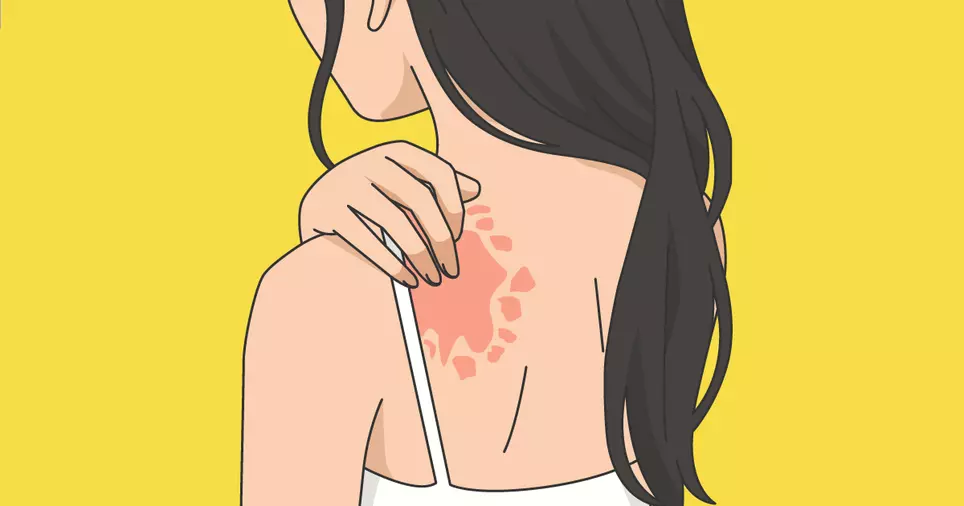
I’m experiencing tiny blisters and red spots that have been here for 8 weeks and it’s awful. Have been diagnosed now 45 years ,this is new,
Biopsy confirmed it’s lupus ,Cold water and using a hand fan to cool it off some times helps.
I dont want to think about some type of infusion,,,seeing my not favorite Rheumatologist at Brighams Monday Anyone else have any ideas for relief
August 5
Could blisters on the skin be related to lupus or an allergic reaction? The answer is — it could be either, or even both!
Lupus can cause several types of skin reactions, including a rare but real condition called bullous systemic lupus erythematosus (BSLE), which causes blistering on the skin. People with lupus also tend to Show Full Answer
Could blisters on the skin be related to lupus or an allergic reaction? The answer is — it could be either, or even both!
Lupus can cause several types of skin reactions, including a rare but real condition called bullous systemic lupus erythematosus (BSLE), which causes blistering on the skin. People with lupus also tend to have higher rates of allergic conditions compared to those without lupus, which can also show up on the skin. So an allergic reaction isn't off the table either.
Here's what to keep in mind:
- Hives that last more than 24 hours are more likely linked to lupus than a typical allergic reaction
- Lupus can sometimes cause what's called an "autoallergy" — essentially a reaction to your own cells
- New or worsening skin symptoms should always be reported to your doctor promptly, as some conditions can lead to serious complications if left untreated
The best step is to reach out to your rheumatologist or ask for a referral to a dermatologist. They can examine the blisters, run tests if needed, and figure out exactly what's going on. Don't wait on this one — skin symptoms in lupus deserve a closer look!
August 4






 Join




 Your Privacy Choices
