It sounds like you're dealing with a lot of pain and physical limitations — arm, neck, and back issues that are making it hard to walk or even stand in one place. That's really tough, and you're definitely not alone in this.
Many people living with lupus experience similar struggles. In a survey of MyLupusTeam members Show Full Answer
It sounds like you're dealing with a lot of pain and physical limitations — arm, neck, and back issues that are making it hard to walk or even stand in one place. That's really tough, and you're definitely not alone in this.
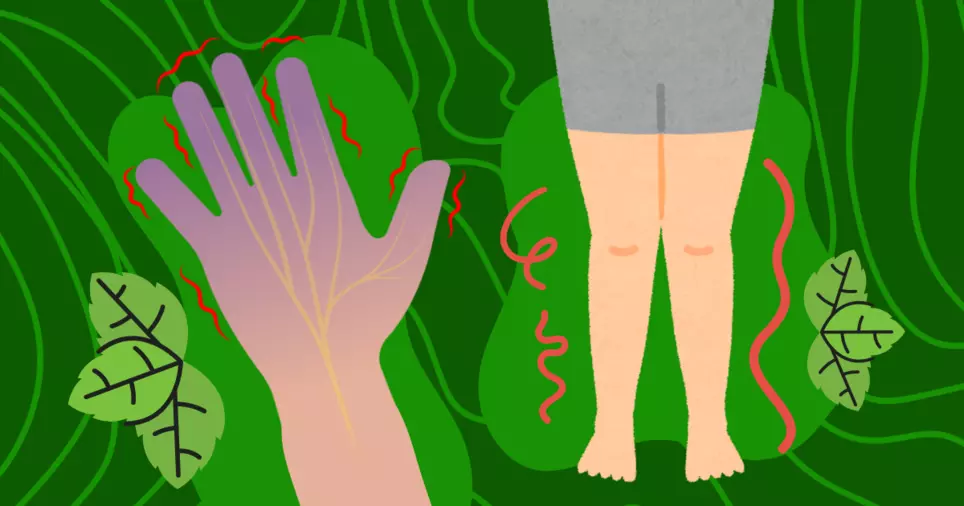
Many people living with lupus experience similar struggles. In a survey of MyLupusTeam members, nearly everyone reported joint pain and swelling, and over 80% reported muscle pain. Numbness and tingling in the arms and hands is also very common. Lupus-related inflammation can affect nerves, muscles, and joints throughout the body, which can explain the kind of widespread breakdown you're describing. Some possible lupus-related causes include:
- Peripheral neuropathy — nerve damage from inflammation causing numbness, tingling, or weakness in the arms
- Joint inflammation — causing pain and stiffness in the neck and back
- Reduced blood flow to bones — which can cause pain and limit mobility
The most important step right now is to report all of these symptoms to your rheumatologist as soon as possible, especially since they seem to be worsening. They can run tests, check imaging, and put together a treatment plan tailored to you.
Physical therapy is also something worth asking about — it's often recommended for people with lupus to help improve mobility and overall quality of life.
September 17






 Continue with Facebook
Continue with Email

 Join






 Your Privacy Choices
