
Powered By



Have you ever woken up feeling like your eyes have been scratched or poked, or noticed your eyes were so swollen that it was hard to see? If you have lupus, these eye problems might be caused by this autoimmune disease or its treatment.
Lupus is a chronic (long-term) disease where your immune system attacks your own body, leading to inflammation and damage. Lupus can affect many parts of the body, including the blood vessels, joints, skin, lungs, heart, kidneys, brain, and nerves. You might wonder, “Can lupus affect your eyes?” Read on to find out what might be causing your eye symptoms with lupus.
According to a 2022 research review, up to one-third of people with systemic lupus erythematosus (SLE) — the most common type of lupus — have some sort of eye condition related to the disease (known as an ocular manifestation.)
Eye problems often happen during lupus flare-ups, and sometimes even before other lupus symptoms appear. That’s why getting eye problems checked out by an ophthalmologist (eye doctor) can be very important for early diagnosis and treatment of lupus.
Eye problems from lupus are fairly common. Symptoms can be mild or severe and may cause pain or discomfort. These symptoms include:
In some cases, vision can be permanently damaged. Symptoms can affect any part of the eye, including the eyelids, retina, sclera (the white outer layer), and nerves.
Below, we describe seven eye conditions you might experience if you have lupus.
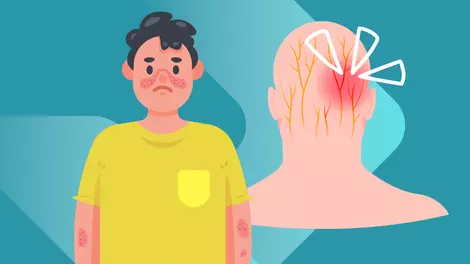
Some people with lupus get rashes on their skin, including the skin of their eyelids. This happens with discoid lupus erythematosus, a type of lupus that affects the skin. The rash may look like scaly, slightly raised patches that can itch or burn. Sometimes it can even cause scarring or make eyelashes fall out. This rash can make your eyes feel like they’re being poked.
Treatment can include corticosteroid creams carefully applied on the eyelids and antimalarial drugs taken by mouth. If the rash spreads across the body, stronger treatment may be needed.
Dry eye disease, also known as keratoconjunctivitis sicca, affects about 16 percent of people with SLE. Dry eyes can also happen with Sjögren’s disease, another autoimmune condition that can affect people with lupus.
Symptoms of dry eyes include:
Severe dry eye disease can inflame or even damage the eye surface. It can also cause ulcers to form on the cornea (the clear part of the eye) that can affect your vision. Tear ducts can also get blocked, which stops tears from draining.
Dry eye from lupus can be treated with artificial tears (in liquid or gel form), eye drops, or topical steroid or antibiotic ointments.
The retina is the light-sensitive part at the back of your eye. Diseases of the retina, the light-sensitive tissue of the eye, are common among people with active SLE.
For example, lupus retinopathy (damage to blood vessels in the retinal) can be found in up to 29 percent of people with active SLE. Before treatments like steroids and immune-suppressing drugs were widely used, new cases of retinopathy were much more common.
Retinal problems are often related to how well SLE is controlled — if lupus control is good, retinal problems are less likely. It’s important to seek prompt treatment for eye problems and any other developing or worsening lupus symptoms.
Some types of retinal disease don’t cause pain or a poking feeling. Instead, signs can include tiny white spots (called cotton wool spots) or small areas of bleeding in the retina. Severe cases can cause vision loss or other serious problems.
People with lupus can get vasculitis, which is inflammation of the blood vessels in the retina. This happens when the blood supply to the retina is blocked.
Vasculitis can cause decreased vision and sometimes a loss of central vision. Double vision can also happen, if vasculitis affects the nerves controlling eye movement. If you notice any partial or total vision loss, contact your eye doctor right away.
Treatment usually involves oral steroids and other immunosuppressive medications. Sometimes corticosteroid injections are used, and blood thinners or low-dose aspirin may help.
Scleritis is rare, affecting about 1 percent of people with lupus. It happens when the sclera (the white part of the eye) becomes inflamed. In some cases, it can be the first sign of lupus.
The main symptoms of scleritis include:
See an ophthalmologist right away if you notice severe symptoms of scleritis. Serious scleritis can result in loss of vision if untreated.
Mild scleritis can be treated with oral nonsteroidal anti-inflammatory drugs (NSAIDs). Severe cases of scleritis may require oral corticosteroids or other immunosuppressant drugs.
Uveitis is inflammation of the uvea — the eye’s middle layer. It can happen in rare cases, affecting about 0.1 percent to 4.8 percent of people with SLE. Symptoms of uveitis include sensitivity to light, eye pain, and blurred vision. Treatment usually involves medicated eye drops.
If you feel like something’s poking your eye and it’s red, talk to your doctor about uveitis.
Because SLE and some treatments can weaken your immune system, it’s important to take eye infections seriously. These infections can progress quickly and may require urgent care from an ophthalmologist to protect your vision.
Eye infections can cause a poking sensation that can be uncomfortable or painful.The most common causes are viruses, such as cytomegalovirus, herpes simplex virus, and varicella-zoster virus. Bacterial eye infections are usually treated with antibiotics, either as drops or pills.
Steroids and antimalarial drugs that are used to treat lupus can have side effects that may cause your eyes to feel like they’re getting poked.
Steroids, often used to treat inflammation in people with lupus, can lead to eye problems if used long-term, including:
Hydroxychloroquine (Plaquenil) is an antimalarial medication frequently used to treat SLE. However, long-term use of hydroxychloroquine can damage the retina, a risk that increases the longer you take the drug.
According to findings published in the journal Eye, about 7.5 percent of people taking hydroxychloroquine for more than five years experienced eye problems. After 20 years of treatment, nearly 20 percent had retinal damage.
Hydroxychloroquine can cause permanent damage to the eye for people who:
Symptoms of eye problems caused by hydroxychloroquine include central vision loss and decreased night vision.
The American Academy of Ophthalmology recommends annual comprehensive eye exams for people who use hydroxychloroquine for more than five years. You should do a baseline exam before starting the drug, and your eye doctor should monitor vision changes closely, especially if you’re taking hydroxychloroquine long-term and at high doses. If your eye doctor sees signs of retinal damage, treatment may need to be stopped
One MyLupusTeam member emphasized the importance of regular checkups with an eye doctor: “I have an appointment with a retinologist every six months to check for problems and changes,” they said. “I am on chloroquine (an antimalarial drug). I have developed floaters in both eyes.”
Visit your eye doctor regularly and let them know right away if you notice any new eye problems. By working with your healthcare team, you can protect your vision and maintain the best quality of life while living with lupus.
On MyLupusTeam, people share their experiences with lupus, get advice, and find support from others who understand.
Have you experienced eye problems with lupus? Let others know in the comments below.
Get updates directly to your inbox.


Can Lupus cause you eyes to swell and look like you have tears in your eyes?


 Continue with Facebook
Continue with Email
Continue with Facebook
Continue with Email
Continue with Facebook
Continue with Email
Continue with Facebook
Continue with Email
Become a member to get even more





 Join
Join



 Your Privacy Choices

This is a member-feature!
Sign up for free to view article comments.
With prayers to you all regarding eye symptoms..Keep looking for doctors who can offer vision and pain relief. God's blessings SBV
We'd love to hear from you! Please share your name and email to post and read comments.
You'll also get the latest articles directly to your inbox.