That sounds like a really stressful experience, and it's completely understandable to have questions about what these findings mean in relation to lupus.
Lung involvement is actually quite common with lupus — affecting around 50% of people living with it. Lupus-driven inflammation can affect many parts of the lungs Show Full Answer
That sounds like a really stressful experience, and it's completely understandable to have questions about what these findings mean in relation to lupus.
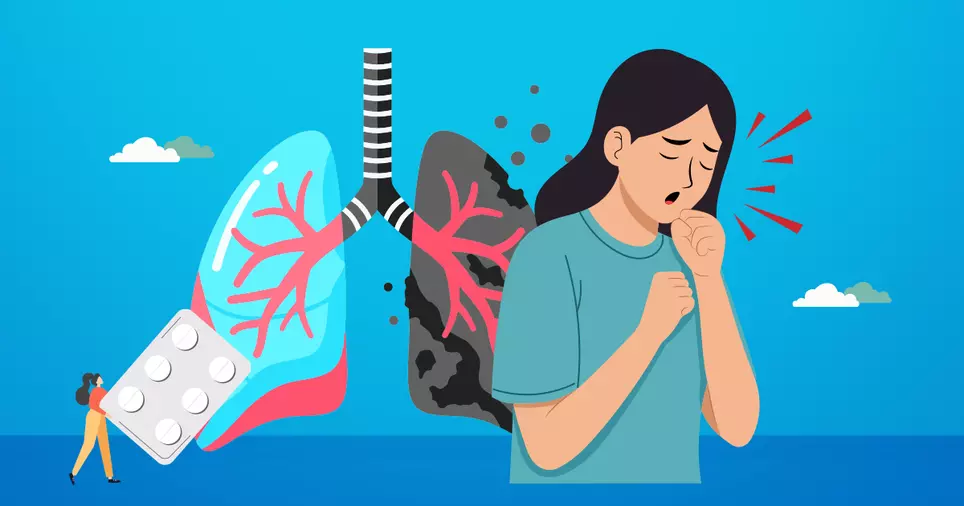
Lung involvement is actually quite common with lupus — affecting around 50% of people living with it. Lupus-driven inflammation can affect many parts of the lungs, including the tissue inside and surrounding them. Some lung complications linked to lupus include:
- Pleuritis — inflammation of the lining around the lungs, affecting 40–60% of people with lupus
- Pneumonitis — inflammation inside the lung tissue itself
- Pulmonary embolism — blood clots in the lungs, which lupus can increase the risk of
- Interstitial lung disease (ILD) — long-term inflammation that can cause scarring and spots throughout the lungs
- Pulmonary hypertension — thickening and narrowing of lung arteries
Inflamed lymph nodes and lung spots can be related to lupus-driven inflammation, though your doctors will want to rule out other causes too. Early detection really does make a difference with lung complications. Catching things early gives the best chance at successful treatment, which may include steroids or immunosuppressants depending on what's found.
A referral to a pulmonologist (lung specialist) alongside your rheumatologist would be a really important next step if you haven't already been referred to one.
April 25





 Join








 Your Privacy Choices
