
Powered By



A warm, sunny day might sound inviting, but for some people living with lupus, rising temperatures can bring more fatigue, joint pain, and discomfort. Even a short walk or time spent outdoors may leave you feeling overheated and drained.
Lupus and heat intolerance can make warm weather challenging. However, not everyone with lupus is affected by heat in the same way. This article will explain why hot weather may worsen symptoms, how heat differs from sun sensitivity, and what you can do to stay comfortable.
Sign up to view the results!
 Continue with Facebook
Continue with Email
Heat intolerance means your body has trouble handling warm temperatures. You might feel uncomfortably hot in conditions that don’t seem to bother other people. Heat intolerance can also make it harder for your body to cool itself.
People with autoimmune conditions, including lupus, report heat intolerance more often than the general population. However, feeling worse in warm weather doesn’t necessarily mean your lupus is becoming more active.
Heat intolerance can cause different symptoms depending on the person and how hot their surroundings are. Some symptoms also overlap with common lupus symptoms.
You might notice:
These symptoms don’t always indicate a lupus flare. Heat exposure, dehydration, and other health conditions can cause similar problems.
Feeling hot isn’t the same as having a fever. Heat intolerance can make you feel overheated, even when your body temperature is normal.
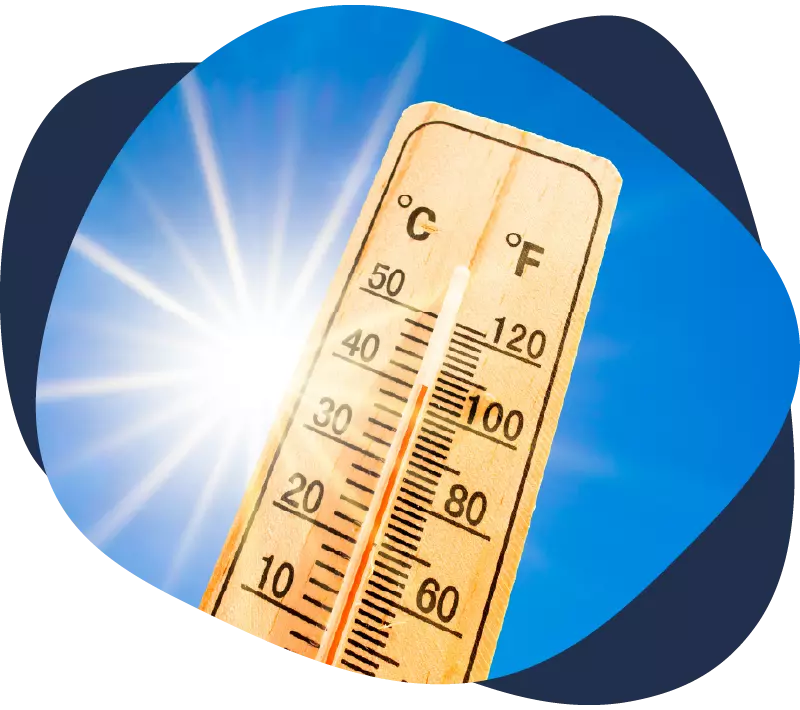 A fever generally means your body temperature has risen above its normal range. An oral temperature of 100.4 degrees Fahrenheit (38 degrees Celsius) or higher usually counts as a fever.
Fever can be a sign of a lupus flare, but there are other potential causes, like infections. Heat-related illness may raise your body temperature as well.
Use a thermometer rather than relying on how hot you feel. Contact your healthcare provider if you develop an unexplained fever, especially if you take medicines that weaken your immune system, as this may increase the chance of infection.
Hot weather can affect your body in several ways. For people with lupus, symptoms may worsen because of heat itself, exposure to ultraviolet (UV) light, or other factors. Heat or thermal stress can also affect how the immune cells function and react.
Researchers are still studying these connections. Weather may affect lupus symptoms differently from person to person.
Your body cools itself partly by producing sweat, which helps release heat as it evaporates. High humidity makes it harder for sweat to evaporate. As a result, your body may struggle to stay cool.
Hot, humid conditions can also increase fluid loss and make physical activity more tiring. These effects may add to the fatigue and discomfort you already experience with lupus.
Some research suggests that weather conditions may also be linked to lupus disease activity. In a 2019 study involving 1,628 people with systemic lupus erythematosus (SLE), researchers found associations between higher temperatures and certain types of lupus flares, including joint and skin symptoms. Humidity was also associated with some types of flares.
However, the findings don’t prove that heat directly causes lupus flares. No single weather factor was associated with every type of flare.
Heat and sunlight often occur together, but they can affect lupus differently. Between 40 percent and 70 percent of people with lupus experience photosensitivity, which means their skin or other parts of their body react to UV light. UV exposure can trigger flares, leading to skin rashes and worsening of symptoms such as fatigue and joint pain.
UV light doesn’t have to make you feel hot in order to affect lupus. You may develop symptoms after sunlight exposure even on a cool day. Certain indoor lights can also produce UV rays. Similarly, you might feel overheated in a warm indoor space without significant UV exposure.
Heat intolerance isn’t always caused by lupus. Other medical conditions and medications can affect how well your body handles warm temperatures.
Possible contributors include:
Ask your healthcare provider whether another health condition or medication could be contributing to your symptoms. Don’t stop taking prescribed medications without medical guidance.
You can’t control the weather, but you can take steps to reduce heat exposure and manage its effects. Small changes to your surroundings and daily routine may make warm days easier.
Spending time in cooler spaces can help your body recover when temperatures rise.
Take these steps to keep your surroundings comfortable:
Taking a cool shower, placing a damp washcloth or cool compress on your neck, wearing a cooling vest, or using a misting bottle or portable fan may also help you feel more comfortable.
Pay attention to how quickly you recover after cooling down. If your symptoms continue despite moving to a cooler space, something other than heat intolerance may be contributing.
Sweating helps cool your body, but it also causes you to lose fluids. Drinking water throughout the day can help replace those losses, especially when you’re active in warm weather.
Try keeping a water bottle nearby and drinking regularly rather than waiting until you feel very thirsty. You may need additional fluids with electrolytes when temperatures rise or you’re sweating more than usual.
However, some people with lupus-related kidney disease need to limit fluids. You should follow your healthcare team’s guidance if you have advanced kidney disease or another reason to restrict fluids.
Hot weather can make everyday activities more tiring. Adjusting your schedule may help you conserve energy without giving up activities you enjoy. Take breaks to rest whenever you feel fatigued.
Additionally, consider these strategies:
You don’t have to push through worsening symptoms. Resting before you become overheated may help you avoid feeling exhausted for the rest of the day.
Staying cool helps with heat intolerance, but sun protection is also important if you have lupus-related photosensitivity.
Here are some tips:
Remember that shade may reduce UV exposure without fully protecting you from hot temperatures.

Talk to your healthcare provider if heat intolerance is new, becoming more severe, or interfering with your daily activities. Also let them know if heat-related symptoms occur along with:
These symptoms may indicate a lupus flare or another medical problem. Your doctor can review your medications, check for other causes, and help you determine whether worsening symptoms are related to lupus activity.
Be aware of signs of heat exhaustion, such as:
If these symptoms don’t improve after you move somewhere cool and drink fluids, you should seek medical care.
Confusion, fainting, or a very high body temperature may signal heatstroke, which requires immediate emergency medical care.
Keeping a record of your symptoms, the temperature, time outdoors, and sun exposure may help you spot patterns. Sharing those details with your doctor can help you develop a plan for staying comfortable and managing lupus throughout the warmer months.
Get updates directly to your inbox.




 Continue with Facebook
Continue with Email
Continue with Facebook
Continue with Email
Become a member to get even more





 Join



 Your Privacy Choices

This is a member-feature!
Sign up for free to view article comments.
We'd love to hear from you! Please share your name and email to post and read comments.
You'll also get the latest articles directly to your inbox.