Connect with others who understand.

  •   Learn from expert-reviewed resources
  •   Real advice from people who’ve been there
  •   People who understand what you’re going through
Sign Up Log In
Powered By
Real members of MyLupusTeam have posted questions and answers that support our community guidelines, and should not be taken as medical advice. Looking for the latest medically reviewed content by doctors and experts? Visit our resource section.

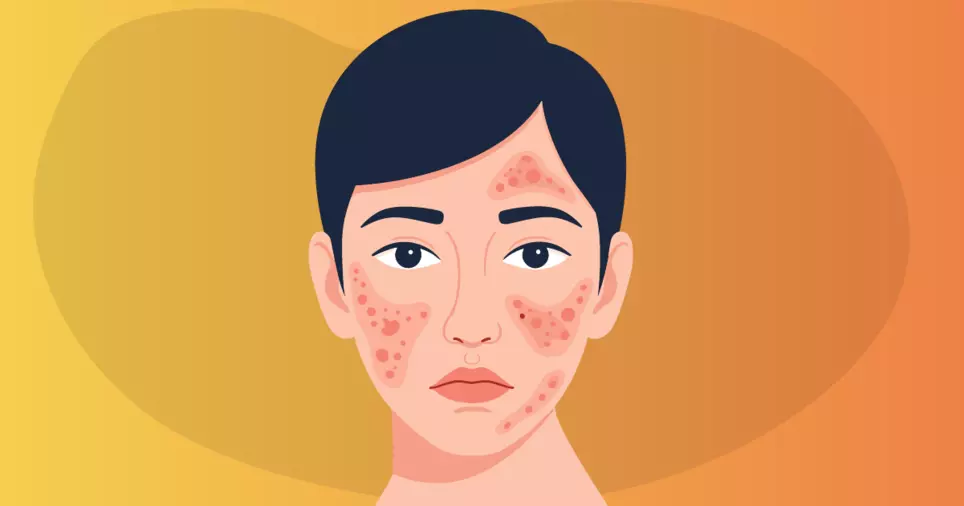
I have been diagnosed with cutaneous lupus this past year. I’ve had MS for 30 years and sjogrens for 5 (I know, I won the lottery). Fortunately Ms is under control as is sjogrens, but this rash is so uncomfortable and itchy. My rheumatologist and neurologist have been working together and put me on occrevus last year, thinking that it might help both issues. My July dose last year, worked after two or three months, but February‘s dose did not work. We’re trying again in the next two weeks. Any… read more

August 5
 · 
Be the first to react
A MyLupusTeam Member

For us the dark is our friend

August 5
A MyLupusTeam Member

I feel your pain. What a lot of people don’t realize is that just wearing long sleeves is not necessarily enough. I found for me no amount of SPF prevents the rash so I’m left with physically covering my skin. However, many painful itchy rashes later I can tell you not all clothes are created equal. You need heavy cotton like denim or a similar weight or the UV light simply penetrates the cloth. I wear leather gloves on my hands and a wide brim hat with a veil that I can see through. Even with all this I can only be out for a short time. A real hidden menace is your indoor lighting. Nearly all lights can burn your face. Use a mask (I use a sleep mask turned upside down) when using your devices or watching tv. If you spend a lot of time on your laptop there are UV filter screens you can buy. Accommodations I made when I was working - I had the fluorescent lights removed from my office and used a well shaded low light lamp, UV screen on the computer. At home all bulbs are low watt and I rarely turn them on. All windows have sun shades covering them and in my room all windows are blacked out. I have a task lamp that faces the wall. Light /heat plays a major role in how miserable I feel. Keep your light budget low and see if you feel better. I’m sure it’s not the same for everyone but for me staying in a dark, cool environment really makes a daily difference to how I physically feel. Take care.

August 5
MyLupusTeam

First off, you absolutely did win the lottery — and not the good kind. Hang in there! It's great that you're already taking sun protection seriously, but with cutaneous lupus, UV exposure isn't the only trigger. Even indoor fluorescent and halogen lighting can cause flares, which might explain why the rash persists despite Show Full Answer


First off, you absolutely did win the lottery — and not the good kind. Hang in there! It's great that you're already taking sun protection seriously, but with cutaneous lupus, UV exposure isn't the only trigger. Even indoor fluorescent and halogen lighting can cause flares, which might explain why the rash persists despite your precautions.

Here are some additional things worth considering:

- Switch indoor bulbs to LED or incandescent — fluorescent and halogen bulbs emit UV rays that can trigger flares
- Install UV-blocking window shades at home to reduce indoor exposure
- Avoid peak sun hours between 10 a.m. and 4 p.m. when outdoors
- Use a broad-spectrum sunscreen with SPF 60 or higher that blocks both UVA and UVB rays — bumping up from SPF 50 may help
- Apply sunscreen 20 minutes before going outside and reapply throughout the day
- Wear wide-brimmed hats and sun-protective clothing that covers as much skin as possible For managing the itch and rash itself, many MyLupusTeam members have shared what works for them:

- Applying ice packs or cold compresses directly to itchy areas for relief
- Using over-the-counter cetirizine (Zyrtec) daily to manage hives and itching
- Trying witch hazel on affected areas — it won't cure anything but can soothe discomfort
- Cool showers instead of hot ones, followed by patting dry and applying oatmeal-based lotion
- Asking your doctor about prescription topical creams like clobetasol propionate or triamcinolone for flare-ups

On the medication side, your rheumatologist may also consider options like hydroxychloroquine (Plaquenil), corticosteroid creams, or steroid injections for the butterfly rash specifically. Some members have also found significant relief with omalizumab (Xolair) injections for persistent rashes and itching. It's also worth asking your rheumatologist whether any of your current medications may be increasing your skin's sensitivity to light, as some medications can do that. A dermatologist who specializes in lupus can also be a great addition to your care team for regular skin checks and targeted treatments.

You're definitely not alone in this — and becoming a hermit is NOT the answer! 🏠❌

August 5

Related Questions

View All
A MyLupusTeam Member asked a question 💭
Middlesbrough, UK

A MyLupusTeam Member asked a question 💭
Calgary, AB